
Siding Contractor in White Settlement, TX Built for Hail, Heat & Clay Soil
North Texas is hard on siding. One spring supercell can crack vinyl and dent aluminum across a whole street. Then a 100°F August warps the panels on your west wall, and the clay soil under your slab shifts enough to open gaps at the corners. White Settlement adds another problem: a lot of the houses here went up in the 1950s and '60s for workers at the bomber plant and Carswell, and their original siding has done its job. West Fort Worth Siding Pros replaces, repairs and upgrades that siding with impact-resistant products, proper house wrap and flashing that stands up to this climate.
We're a local crew, not a storm chaser who leaves after hail season. We've worked on the postwar ranches along the Las Vegas Trail and Cherry Lane corridor, the 1980s brick-and-hardboard homes in Benbrook and Lake Worth, and the newer two-story builds in Aledo and Saginaw where Hardie gables need fresh paint and caulk. Every job starts with a full exterior inspection and a written estimate. You'll get regular updates while we work, and we clean the site at the end of every day.
- ✓Serving White Settlement and west Fort Worth since 2020
- ✓Bonded
- ✓Fully insured
- ✓Financing available
- ✓Full exterior inspection and written estimate on every project
- ✓Daily jobsite cleanup
- ✓Service within 20 miles of White Settlement
Request Your Free Estimate
No obligation. Fast, honest quotes.
Thank you — your request was sent!
A member of the West Fort Worth Siding Pros team will reach out shortly. Need help now? Call (817) 934-4687.
Why White Settlement Homes Need Siding Built for North Texas
Siding that holds up fine in a mild climate can fail fast on the west side of Tarrant County. Hail, triple-digit heat, sideways spring rain and shifting clay soil all hit the same wall. Add older housing stock and city-by-city rules, and choosing the right material and installer matters more here.
Hail, Heat and Hard Rain: The Climate Working Against Your Walls
White Settlement is in IECC Climate Zone 3A. July and August highs average in the mid-to-upper 90s, and most years bring a run of 100°F+ days. 2011 and 2023 both had dozens of them. West- and southwest-facing walls take the worst of the afternoon sun. Low-grade vinyl warps, oil-cans and sags there, and it gets even hotter when a neighbor's low-E window reflects sunlight onto it. DFW regularly ranks among the most hail-damaged metros in the country, and spring storms drop stones an inch or larger. Annual rainfall runs about 35–38 inches, mostly in heavy April–June and fall downpours that drive water sideways and find any missing flashing. Freezes like February 2021 open cracked seams even wider.
Postwar Ranches, Hardboard Suburbs and Newer Hardie Builds
Much of White Settlement was built in the 1940s–60s as housing for Air Force Plant 4 and Carswell AFB, now NAS Fort Worth JRB. These are mostly single-story ranches and minimal-traditional homes on pier-and-beam or early slab foundations. Their original wood lap or asbestos-cement shingles are often hidden under aluminum or early vinyl. Brick ranches from the 1970s–90s in Benbrook, Lake Worth and Haltom City often have Masonite or LP hardboard on the gables, and that siding swells and rots at the drip edge. Homes from the 2000s–2020s in Saginaw, Aledo and Walsh Ranch use fiber cement on the upper walls, and at 15–20 years old the paint and caulk on those sections are failing.
Permits, HOAs and Historic Rules That Vary by City
There's no single rulebook. Fort Worth issues permits through Development Services. White Settlement, Benbrook, Saginaw and North Richland Hills run their own inspection departments, and each adopts a different edition of the International Residential Code (2015–2021) with North Central Texas COG amendments covering house wrap and flashing at openings. HOAs in Saginaw, Haslet, Crowley, Aledo and Willow Park usually require architectural approval of color and material before work starts. Fort Worth historic districts like Fairmount need a Certificate of Appropriateness. Homes built before 1978 fall under the EPA lead-safe (RRP) rule, and asbestos-cement siding has to be handled under Texas DSHS and EPA NESHAP rules.
A Value-Conscious, Trust-Driven Market
White Settlement has about 18,000 residents, many of them Lockheed Martin aerospace workers, veterans and military families. Home values here sit below the metro median, so owners want durable, low-maintenance vinyl or fiber cement, help with insurance claims and payment options. Landlords re-side their rentals between tenants. Nearby Aledo, Hudson Oaks and the Walsh Ranch corridor lean toward premium Hardie with stone accents. After every big hailstorm, out-of-town crews flood DFW, and that's why many homeowners here would rather hire a local contractor they can call back next year.
Common Siding Problems in White Settlement and West Fort Worth
Most of the siding calls we get trace back to a handful of local causes: hail, heat, water and clay soil, plus the specific materials builders used in each era. Here's what we find most often, how serious each problem is and what usually fixes it.
Hail-Cracked Vinyl and Dented Aluminum Serious
Hailstones an inch or larger punch holes in vinyl, crack it in long splits and leave permanent dents in aluminum and steel. They also chip the face of fiber cement and painted wood, which exposes the substrate to water.
Why it's common hereDFW sits in the heart of hail country, and spring supercells cross west Tarrant County almost every year. Many White Settlement homes still have thin, decades-old vinyl or aluminum that turns brittle with age and UV exposure, so hail that a newer panel would survive shatters it. Matching is also tricky. Older profiles and colors are often discontinued, and patching with a mismatched panel leaves a wall that looks obviously repaired and can hurt resale value.
Signs you'll notice- Round dents or dimples on aluminum panels
- Holes or star-shaped cracks in vinyl
- Chipped paint or exposed substrate on fiber cement
- Shredded window screens and dented gutters nearby
- Granules from the roof collected at downspouts
- Cracked or missing soffit vents
We see it on north- and west-facing walls after April–June storms, especially on aluminum-clad postwar ranches near Cherry Lane and Las Vegas Trail. Storm paths through Lake Worth, Saginaw and North Richland Hills often damage whole blocks at once.
Our fix: We document the damage with photos and measurements for your insurance claim, source matching profiles or recommend full-elevation replacement, and install impact-resistant siding with fresh flashing.
Heat-Warped and Oil-Canned Vinyl Moderate
Vinyl expands in heat. If it's nailed too tight, too thin, or hit by sunlight reflected off a window, it bows, ripples (called oil-canning) or sags out of its locks, and the wall looks wavy and loose.
Why it's common hereLong stretches of 100°F days, like in 2011 and 2023, push wall surface temperatures far higher on west and southwest exposures. Low-E windows on neighboring homes concentrate reflected sunlight and can actually distort cheap vinyl. Many quick re-sides done after past hail events used builder-grade panels nailed tight against the flange, so the vinyl has nowhere to go as it expands. Dark colors absorb even more heat and fade unevenly.
Signs you'll notice- Wavy or rippled panels visible in low-angle light
- Panels pulling out of their locking seams
- Melted or distorted spots facing a neighbor's window
- Uneven fading, chalky surface
- Panels that won't slide when pushed
Most common on west walls of single-story ranches in central White Settlement, Westworth Village and River Oaks, and on rear elevations in tightly spaced newer subdivisions where houses sit 10 feet apart.
Our fix: We re-hang panels with proper nailing tolerance where possible, or replace them with heavier-gauge or insulated vinyl or fiber cement rated for heat-resistant colors.
Rotting Hardboard (Masonite / LP) Siding Serious
Pressed-wood hardboard siding from the 1980s–90s absorbs water through cut edges and nail holes. Once that happens it swells, flakes and turns soft. Several brands were the subject of class-action settlements.
Why it's common hereBrick-ranch suburbs built in that era used hardboard on gables, chimney chases and back walls. Heavy spring rain, sprinkler overspray and the humid Zone 3A climate keep the bottom courses wet. Expansive clay soil shifts the slab and opens caulk joints, which lets in even more water. The worst of the rot is often hidden behind the board in the sheathing and framing.
Signs you'll notice- Swollen, mushroomed board edges
- Flaking or blistering paint at the drip edge
- Soft spots that give under thumb pressure
- Visible fibers or waffle texture showing through
- Mud tubes or wood debris from termites
- Rot around window and door trim
Very common in Benbrook (Westpark), Lake Worth, Haltom City, Watauga, Richland Hills and North Richland Hills, especially at bottom courses near flower beds and sprinkler heads.
Our fix: We remove the failed hardboard, repair the sheathing and framing behind it, add house wrap and flashing, and install fiber cement or engineered wood.
Foundation-Movement Gaps and Buckling Moderate
As expansive clay shrinks and swells, slabs and pier-and-beam foundations move. The siding shows it: buckled courses, trim pulling away, stair-step gaps at corners and window frames, and caulk lines that tear open.
Why it's common hereMost of the area sits on Eagle Ford and Del Rio clays that swing hard between drought and heavy rain. A dry summer followed by a wet spring can move a foundation enough to crack siding joints. Homeowners usually blame the siding first, but if the cause isn't identified, new siding will open up again.
Signs you'll notice- Stair-step gaps at outside corners
- Trim separated from window frames
- Diagonal buckling across panels
- Doors or windows sticking seasonally
- Cracks in nearby brick mortar
Common on pier-and-beam postwar homes in White Settlement and Ridglea, and on 1970s–80s slabs in Benbrook and Forest Hill after drought years like 2011, 2022 and 2023.
Our fix: We tell you honestly whether the foundation needs attention first, then reset trim, re-flash openings and use installation details that allow for normal seasonal movement.
Failing Paint and Caulk on Fiber-Cement Gables Minor
Factory or builder paint on 15–20-year-old fiber cement chalks, fades and peels, and the butt-joint caulk shrinks and cracks. Water can then wick into board edges and the gable sheathing behind them.
Why it's common hereBuilders in Saginaw, Haslet, Crowley, Aledo and Walsh Ranch put fiber cement on upper gables and rear walls, often with a single coat of builder paint. Years of intense UV and 100°F heat break that coating down. Caulk can't take the daily expansion and contraction either. Because these sections are two stories up, the problem often goes unnoticed until boards swell or stain.
Signs you'll notice- Chalky residue when you rub the surface
- Peeling or faded paint on south and west gables
- Open, cracked caulk at butt joints and trim
- Dark staining below windows
- Swollen or cracked board ends
Typical on 2000s–2010s two-story production homes in Saginaw, Haslet, Crowley, Chapel Hill and Willow Park, where HOA color approval is usually required before repainting.
Our fix: We replace damaged boards, re-caulk with high-movement sealant, and repaint or re-side with ColorPlus-style prefinished boards in an HOA-approved color.
Soffit and Fascia Rot and Pest Entry Moderate
Wood fascia and soffit rot where gutters overflow or roof flashing fails. Once it softens, woodpeckers, squirrels and wasps chew in and nest in the attic.
Why it's common hereHeavy thunderstorm downpours overwhelm undersized gutters, and wind-driven rain gets behind drip edges. Straight-line winds from spring storms tear loose soffit panels. Mature trees in established neighborhoods give squirrels an easy route to the roofline.
Signs you'll notice- Soft or crumbling fascia boards
- Sagging or missing soffit panels
- Holes chewed at roof corners
- Wasp or bird activity at the eaves
- Peeling paint along the roofline
- Gutters pulling away from the fascia
Frequent in tree-lined Western Hills, Ridglea Hills and Arlington Heights, and on newer homes where builder-grade fascia was never back-primed.
Our fix: We replace rotted fascia and soffit with fiber cement or aluminum-wrapped trim, add vented soffit for attic airflow, and seal entry points.
Siding Services for White Settlement and West Fort Worth
We install, replace and repair every common siding type in North Texas, but we don't push one product on every house. A postwar ranch, a hardboard-sided brick home and an HOA-governed Aledo two-story each need a different solution. We'll recommend what fits your home, your budget and local rules.
James Hardie Siding Installation ⭐ Specialty
We install James Hardie fiber cement siding, trim and soffit, from a full re-side to an upgrade on the gables only.
Our approachFull tear-off, sheathing check, house wrap and kick-out and window flashing, then installation to Hardie's published requirements so the product warranty stays intact.
In White Settlement, TXHardie holds up to hail and heat better than vinyl and doesn't feed termites. That makes it the go-to upgrade for White Settlement ranches and the standard on Aledo and Walsh Ranch homes.
Best for: Homeowners who want long-term durability, a painted-wood look and stronger resale value.
Siding Repair Services ⭐ Specialty
We repair hail cracks, loose or blown-off panels, rotted boards, failed caulk and damaged trim without replacing the whole wall.
Our approachWe trace each problem to its cause (water, nailing, movement or impact), replace only the damaged courses, and match the profile and color as closely as current products allow.
In White Settlement, TXOur most common call after spring hail in White Settlement, Lake Worth and Saginaw. It's also how we handle historic Arlington Heights clapboard that has to be repaired rather than replaced.
Best for: Localized damage on siding that's otherwise sound, and budget-conscious owners.
Siding Installation
We install new siding on additions, new builds and fully stripped exteriors in every major material.
Our approachWe start with the substrate: sheathing repair, weather-resistive barrier, flashed openings, then siding and trim to manufacturer specs.
In White Settlement, TXWe set up each install for the inspection department and IRC edition your city uses, whether that's Fort Worth Development Services or White Settlement's own inspectors.
Best for: Additions, garage conversions and full exterior makeovers.
Vinyl Siding Installation
We install standard, heavy-gauge and insulated vinyl siding with matching trim.
Our approachWe use loose nailing that lets panels expand and contract, proper J-channel clearances, and heat-tolerant colors on west exposures.
In White Settlement, TXAn affordable, low-maintenance option for postwar White Settlement ranches and rentals. Insulated vinyl also helps through the long cooling season.
Best for: Value-focused homeowners, landlords and investors.
Fiber Cement Siding Installation
We install fiber cement lap, panel and shingle siding from leading manufacturers.
Our approachSilica-safe cutting, correct gapping and fastening, flashed butt joints, and primed or prefinished boards.
In White Settlement, TXFiber cement resists hail chipping, heat and termites better than wood or hardboard, which makes it ideal for replacing rotted Masonite in Benbrook and Haltom City.
Best for: Owners who want durability without the cost of masonry.
Hardie Plank Siding Installation
We install HardiePlank lap siding in smooth or cedarmill textures and several exposure widths.
Our approachBlind or face nailing per spec, with clearance at roofs, decks and grade to keep bottom edges dry.
In White Settlement, TXHardiePlank is the material on most Saginaw, Haslet and Crowley gables, so we can match it on partial replacements.
Best for: Matching existing Hardie or upgrading from hardboard lap.
Hardie Board Installation
We install HardiePanel vertical boards, HardieTrim and Hardie soffit.
Our approachPanel joints are flashed or battened, and trim is installed with the correct gaps and sealant.
In White Settlement, TXGreat for modern facades in west Fort Worth and for replacing hardboard panel siding on 1980s homes.
Best for: Vertical and panel looks, and trim upgrades.
Board and Batten Siding Installation
We install board-and-batten siding in fiber cement, engineered wood or real wood.
Our approachConsistent batten spacing, fastening to studs, and a rainscreen or furring where needed for drainage.
In White Settlement, TXThe modern-farmhouse look you see in Aledo, Willow Park and Azle. We'll check HOA standards first.
Best for: Farmhouse and contemporary exteriors.
Board and Batten Exterior Installation
We handle full board-and-batten exterior conversions, including accent walls, gables and entries.
Our approachWe combine batten siding with lap or stone and plan trim transitions so the elevations look intentional.
In White Settlement, TXA popular update for dated brick ranches in Benbrook and Lake Worth when owners want curb appeal without tearing out the brick.
Best for: Accent upgrades and mixed-material facades.
Vertical Siding Installation
We install vertical panel, reverse board-and-batten and vertical metal siding.
Our approachHorizontal blocking or furring for fastening, with flashed horizontal joints so water can't sit on the ledges.
In White Settlement, TXIt's showing up more often on new west Fort Worth builds and as gable accents on older homes.
Best for: Contemporary designs and accent sections.
Wood Siding Installation
We install and replace wood clapboard, drop siding and shingles.
Our approachBack-primed boards, stainless or galvanized fasteners and ground clearance to reduce rot and termite risk.
In White Settlement, TXRequired for accurate repairs in Arlington Heights and Fort Worth historic districts, where a Certificate of Appropriateness may limit material changes.
Best for: Historic homes and authentic restorations.
Cedar Siding Installation
We install cedar lap, bevel and tongue-and-groove siding.
Our approachSealed ends, a rainscreen gap where possible, and a stain or finish suited to strong UV.
In White Settlement, TXCedar handles Texas heat well when it's finished properly. It's a common choice for accents on Hudson Oaks and Aledo custom homes.
Best for: Natural wood looks and premium accents.
Cedar Shake Siding Installation
We install real cedar shakes and fiber cement shake-look shingles.
Our approachStaggered coursing, correct exposure and flashing at gables and dormers.
In White Settlement, TXWe often recommend the fiber cement shake look for gables in hail zones, since it chips less than real cedar.
Best for: Craftsman gables and cottage-style accents.
Engineered Wood Siding Installation
We install engineered wood lap and panel siding such as LP SmartSide.
Our approachSealed cut edges, proper clearances and prefinished or field-painted boards.
In White Settlement, TXLighter and more impact-flexible than fiber cement. It's a strong, cost-effective replacement for failed hardboard in Watauga and North Richland Hills.
Best for: Budget-minded owners who want a wood look.
Metal Siding Installation
We install steel panel, lap and vertical-rib metal siding.
Our approachConcealed or exposed fasteners, sealed trim and proper flashing details to control water.
In White Settlement, TXA good fit for rural-edge Azle and Aledo farmhouses, barns and shops. Heavier gauges resist hail denting.
Best for: Farmhouse, modern and outbuilding exteriors.
Aluminum Siding Installation
We repair, replace and install aluminum siding and trim wrap.
Our approachWe match profiles where we can, and we tell you honestly when an aging aluminum system should be replaced instead.
In White Settlement, TXMany White Settlement postwar homes still wear hail-dented aluminum, and we can repair it or replace it entirely.
Best for: Owners keeping existing aluminum or adding aluminum trim wrap.
Stone Veneer Siding Installation
We install manufactured and natural stone veneer wainscots, columns and accent walls.
Our approachProper lath, two layers of weather barrier and a weep screed at the base so trapped moisture can drain out.
In White Settlement, TXHelps meet masonry percentages in planned developments and fits the Aledo and Walsh Ranch look.
Best for: Curb-appeal accents and HOA masonry requirements.
Soffit and Fascia Installation
We replace rotted soffit and fascia with fiber cement, aluminum or vinyl.
Our approachVented soffit for attic airflow, sealed pest-entry points and drip edge coordinated with the gutters.
In White Settlement, TXStops the woodpecker, squirrel and wasp damage common in tree-heavy Western Hills and Ridglea.
Best for: Rotted rooflines and attic ventilation upgrades.
Exterior Trim Installation
We install and replace window, door, corner and frieze trim.
Our approachHead flashing over openings, a gap above roof lines and high-movement sealant at joints.
In White Settlement, TXTrim is where clay-soil movement shows up first. We reset it so it can handle normal seasonal shifting.
Best for: Separated, rotted or dated trim.
Siding Replacement Services
We do full tear-off and re-siding on single elevations or the whole house.
Our approachRemove old siding, inspect and repair sheathing, add house wrap and flashing, then install new siding and trim.
In White Settlement, TXThe usual fix for worn-out postwar siding in White Settlement and rotted hardboard in 1980s suburbs.
Best for: Siding at or near the end of its service life.
Siding Inspection and Consultation
We walk your whole exterior and give you a written estimate with our findings.
Our approachPhotos, moisture and soft-spot checks, notes on flashing and grade clearance, and a clear repair-versus-replace recommendation.
In White Settlement, TXEspecially useful after hail, before listing a home, or before HOA submittals in Saginaw or Crowley.
Best for: Storm damage, home sales and planning projects.
Asbestos Siding Removal and Replacement
We plan and carry out projects on homes with asbestos-cement siding, start to finish.
Our approachTesting comes first. Then we handle the material under Texas DSHS and EPA NESHAP requirements, dispose of it properly and install new siding.
In White Settlement, TXEssential on the 1940s–60s homes across White Settlement, River Oaks and Westworth Village.
Best for: Postwar homes with original cement shingles.
Mobile Home Siding Replacement
We replace damaged siding on manufactured and mobile homes.
Our approachLightweight vinyl or metal systems sized for manufactured-home framing, with sealed seams and skirting transitions.
In White Settlement, TXCommon after hail in Azle, Lake Worth and the rural edges of our 20-mile service area.
Best for: Manufactured-home owners and park landlords.
Commercial Siding Installation
We install and repair siding on small commercial, multifamily and rental properties.
Our approachPhased scheduling around tenants, durable low-maintenance materials and code-compliant weather barriers.
In White Settlement, TXServes businesses and small apartment owners along the Las Vegas Trail, I-30 and Loop 820 corridors.
Best for: Small businesses, landlords and investors.
Modern Siding Installation
We design and install contemporary mixed-material exteriors.
Our approachCombinations of vertical panel, lap, metal and wood-look accents with clean reveal trim.
In White Settlement, TXA fit for new west Fort Worth builds and for updating dated ranches in Ridglea Hills and Benbrook.
Best for: Owners who want a contemporary exterior refresh.
Our Siding Process, Step by Step
You'll know what's happening at every stage, from the first inspection to the final walkthrough, with a written scope, steady updates and a clean site at the end of each workday.
Full Exterior Inspection
- Walk all elevations and photograph damage
- Check for soft spots, hidden rot, and termite signs
- Note flashing, house wrap, and grade clearance
- Identify possible asbestos or pre-1978 painted surfaces
Local note: After a hailstorm we document the damage in a way that's useful for your insurance adjuster.
Written Estimate and Material Selection
- Line-item written estimate
- Repair vs. replace recommendation
- Material and color options suited to heat and hail
- Financing options explained if you want them
Local note: We flag HOA approvals and historic-district rules early so they don't hold up the job.
Permits, HOA and Scheduling
- Pull permits with the correct city department
- Prepare HOA submittal details
- Order materials and confirm the start date
Local note: Requirements differ between Fort Worth, White Settlement, Benbrook and Saginaw, so we check each one.
Installation
- Protect landscaping, and remove the old siding
- Repair sheathing and install house wrap
- Flash windows, doors, and kick-outs
- Install siding, trim, soffit, and fascia
- Clean the site every day
Local note: In summer we start early to work around the heat, and we keep the walls protected when spring storms move in.
Final Walkthrough
- Walk the finished job with you
- Final inspection where required
- Magnetic nail sweep and debris haul-off
- Review care and maintenance tips
Local note: We'll show you which joints and clearances to keep an eye on as the clay soil moves with the seasons.
Why White Settlement Homeowners Choose West Fort Worth Siding Pros
We Know West Tarrant County Housing Inside and Out
A postwar ranch near Las Vegas Trail, a 1985 brick home in Benbrook with hardboard gables and a 2008 Saginaw two-story with failing Hardie paint each fail in different ways. We know what's usually hiding under old aluminum, where hardboard rots first and which walls take the worst heat. That means fewer surprises, more accurate estimates, and siding chosen for how houses here actually wear out, not for what's easiest to sell.
Bonded and Insured for Your Protection
Texas has no statewide general contractor license, so a contractor's insurance and bonding are some of the best protections you have. West Fort Worth Siding Pros is bonded and insured. If something unexpected happens on your property, you aren't the one left exposed. We're glad to provide proof of coverage before any work begins, and you should ask any contractor you're considering for the same thing.
Local Since 2020, Not a Storm Chaser
After every major hail event, out-of-town crews knock on doors across DFW, collect deposits and vanish before the warranty questions come up. We've served White Settlement and west Fort Worth since 2020, and we work within 20 miles of home. We'll still be here when you have a question next spring. We also follow Texas Insurance Code §707, so we never pay or waive your deductible.
Installed Right Behind the Siding
Most siding failures start with what you can't see: missing house wrap, unflashed windows, no kick-out flashing, boards sitting on the soil. We fix the substrate before the new siding goes on. Our installs follow the manufacturer's requirements and your city's IRC amendments. That matters for passing inspection and for keeping product warranties like James Hardie's valid.
Help With Hail Damage Claims
Insurance claims go more smoothly when the damage is documented clearly. We photograph and measure the hail damage, note any discontinued profiles or colors that make a seamless repair impossible, and give you a written estimate you can share with your adjuster. You stay in control of your claim. We just make sure the damage gets noticed and described accurately.
Clear Written Estimates and Financing
You'll get a full exterior inspection and a written, line-item estimate. No vague lump sums, and no pressure to sign on the spot. We know a lot of White Settlement families are watching their budgets, so we'll walk you through repair-versus-replace options honestly. Financing is available if you'd rather spread the cost of a full re-side out over time.
Steady Updates and a Clean Site Every Day
Military families, aerospace shift workers and busy parents don't have time to chase down a contractor. We send regular updates on scheduling, permits and progress. At the end of each workday we sweep for nails, pick up debris and leave your yard usable, so your kids and pets aren't stepping around scrap siding all week.
A Local Siding Contractor You Can Count On
Homeowners across White Settlement and west Fort Worth trust us for clear estimates, careful installs and job sites left clean at the end of every day. We'd rather earn your next referral than chase the next storm.
Bonded • Insured • Financing Available
Siding Service Areas Around White Settlement
From our base in White Settlement we cover a 20-mile radius along I-30, I-820 and Loop 820. That takes in postwar neighborhoods, 1980s brick suburbs and the newer master-planned communities on the west and north sides of Fort Worth.
White Settlement and West Fort Worth Core
Western Parker County Growth Corridor
North and Northeast Tarrant County
South Tarrant County
We serve homes and properties within roughly 20 miles of White Settlement. If you're near the edge of that range, give us a call and we'll confirm. Not sure if we cover your area? Call (817) 934-4687.
How Much Does Siding Cost in White Settlement?
Siding prices in west Fort Worth depend on material, wall area, what's hiding under the old siding, and local permit and HOA requirements. The ranges below are realistic for our area. Your written estimate will give you exact numbers for your home.
Siding Material Primary Factor
Material has the biggest effect on cost. Standard vinyl is the most affordable, and insulated vinyl costs more. Engineered wood sits in the middle. Fiber cement and James Hardie cost more up front but stand up to hail, heat and termites better. Cedar, metal and stone veneer are premium choices, usually used as accents. Prefinished fiber cement costs more than primed boards, but it saves you a separate paint job later.
Wall Area and Home Complexity Primary Factor
Pricing is usually figured per square (100 square feet) of wall. A single-story White Settlement ranch might need 12–16 squares. A two-story Saginaw or Aledo home with lots of gables, dormers and corners takes more labor, staging and trim. Every window, door and roofline adds cutting and flashing work. Tall gables need lifts or scaffolding, which also affects the price.
Hidden Damage and Old Layers Major Factor
What's under the old siding can change the scope. Rotted sheathing behind hardboard, termite-damaged framing or two old layers to tear off all add labor and material. Asbestos-cement shingles on postwar homes need testing and compliant handling and disposal, which can add several thousand dollars. We flag what we can during the inspection and explain how we'll price anything we find once the walls are open.
Weather Barrier, Flashing and Trim Moderate Factor
Many older homes here were never wrapped or flashed. Adding house wrap, window and door flashing, kick-out flashing and new trim adds cost, but it's what keeps wind-driven spring rain out of your walls. It's also what code and manufacturers require. Upgrading soffit and fascia to fiber cement or aluminum wrap adds to the total and pays off in less rot and fewer pests.
Permits, HOA and Historic Requirements Minor Factor
City permit fees vary between Fort Worth, White Settlement, Benbrook and the other cities we serve. HOA approval may limit your color or material choices. Historic districts may require wood or matching profiles. These rules don't usually change the price much, but they can affect the timeline and which materials you can use.
| Typical project | Details | Estimated range |
|---|---|---|
| Hail repair on one or two elevations | Replace damaged vinyl or aluminum courses, plus soffit and trim touch-ups, on a single-story home | $1,200 – $4,500 |
| Full vinyl re-side, postwar ranch | About 1,200–1,500 sq ft single-story White Settlement home, tear-off, house wrap, flashing and new trim | $9,500 – $17,000 |
| Hardboard to fiber cement replacement | Gables and rear walls (8–12 squares) on a 1980s Benbrook or North Richland Hills brick home, including sheathing repairs | $8,000 – $16,000 |
| Full James Hardie re-side | Two-story or large single-story home with about 2,000–2,800 sq ft of wall, new trim, soffit and fascia | $22,000 – $40,000 |
Financing is available, so you can take care of hail damage or failing siding now and pay over time instead of waiting for the next storm to make things worse. New siding with proper flashing doesn't just look better. It protects the framing, can lower cooling costs in a long Texas summer and helps when you sell. Fiber cement in particular holds its value in North Texas hail country.
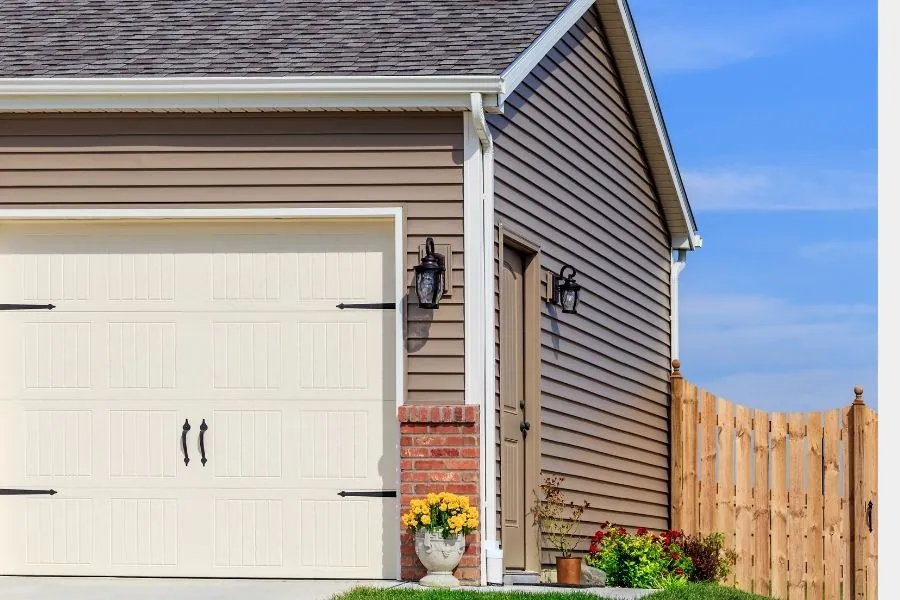
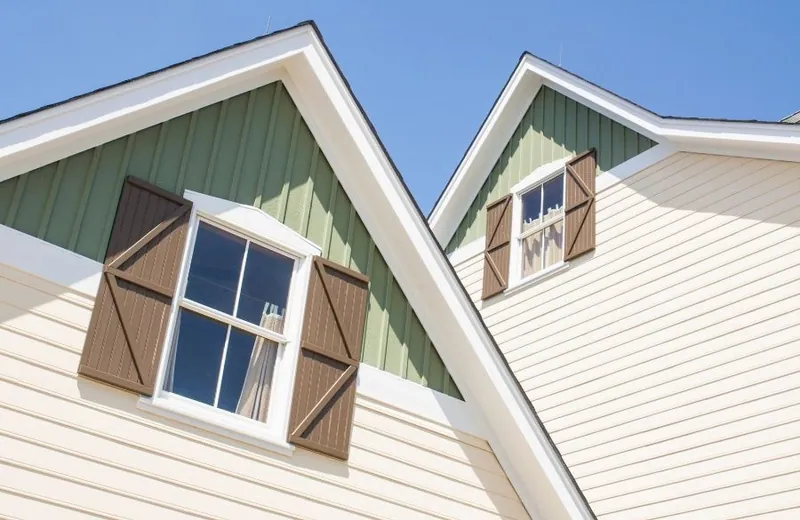
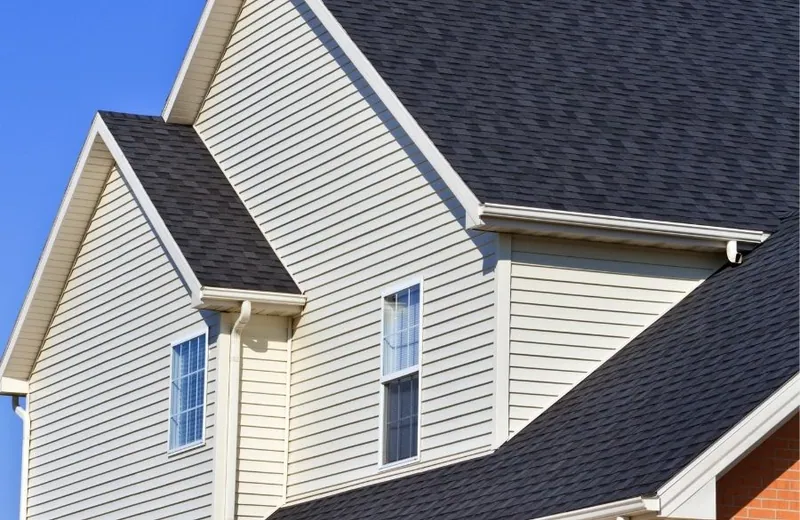
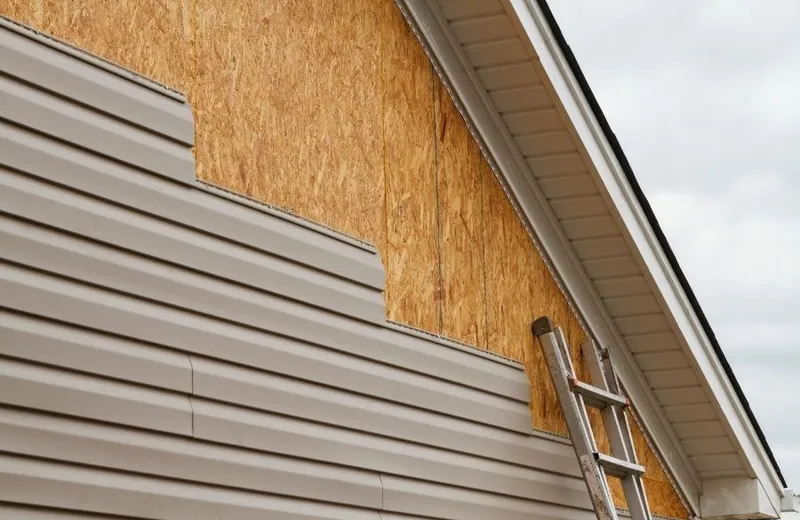
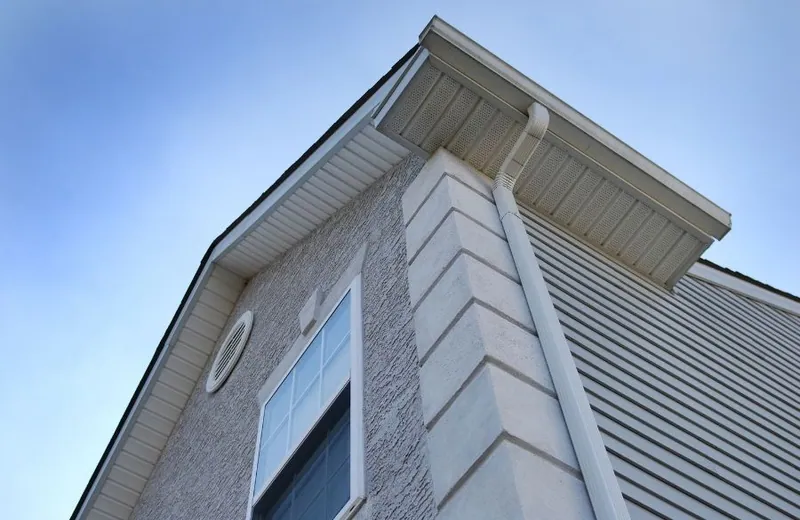
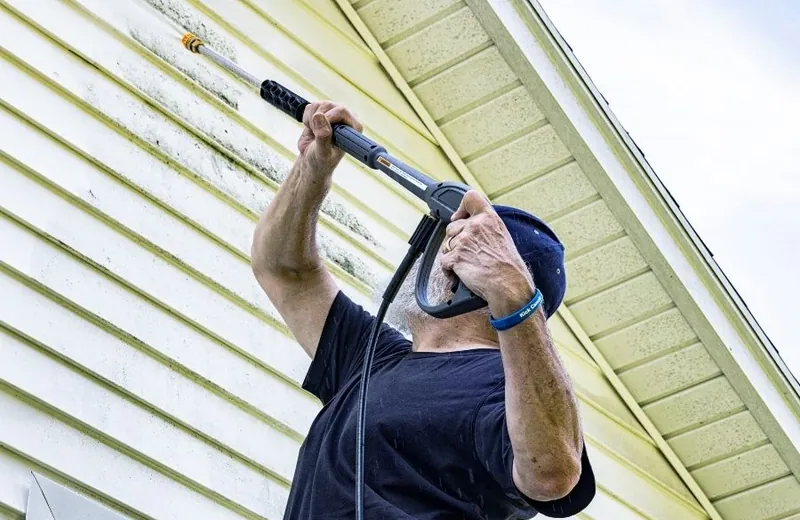
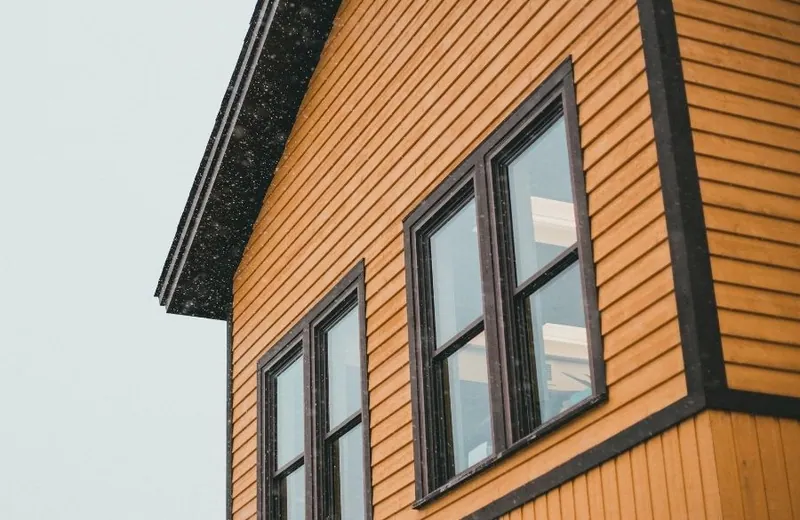
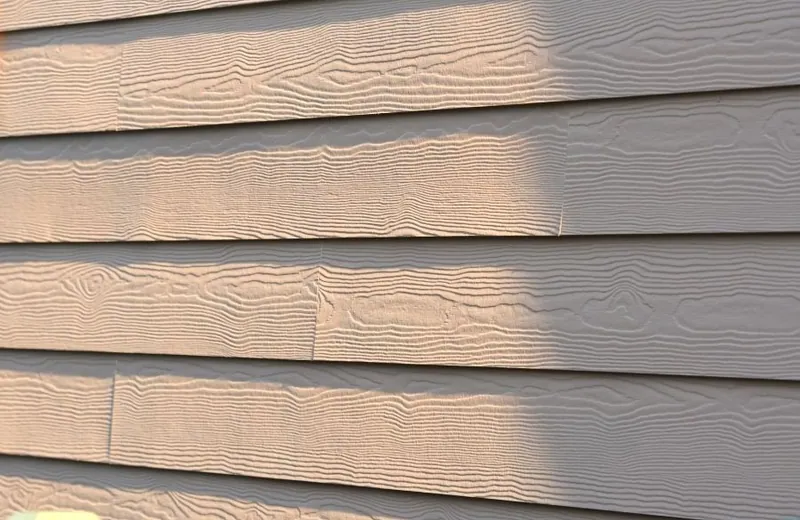
Recent siding Projects in White Settlement, TX
Siding Questions From White Settlement Homeowners
How much does new siding cost in White Settlement?
For a typical 1,200–1,500 sq ft single-story White Settlement ranch, a full vinyl re-side usually runs about $9,500–$17,000. Fiber cement or James Hardie on the same home typically costs more, and a full Hardie re-side on a larger two-story home can run $22,000–$40,000. Hail repairs limited to one or two walls often fall between $1,200 and $4,500. The biggest variables are the material you choose, wall area, rotted sheathing underneath and whether asbestos-cement shingles have to be handled. We give you a written, line-item estimate after a full exterior inspection, and financing is available.
How long does a siding project take?
Most single-family re-sides take about 2–7 working days once materials are on site. A single-story vinyl job in White Settlement can finish near the short end. Two-story fiber cement homes with lots of trim take longer. Before work starts, allow roughly 1–3 weeks for permits, HOA approval and material ordering, depending on your city. Spring storms and summer heat can shift the daily schedule. When that happens we'll keep you updated, and we'll make sure open walls are protected overnight.
Do I need a permit to replace siding in White Settlement or Fort Worth?
Usually, yes, especially when sheathing, framing or windows are involved. Fort Worth handles residential permits through its Development Services Department. White Settlement, Benbrook, Saginaw, North Richland Hills and other nearby cities run their own building inspection departments with different requirements. Most follow a version of the International Residential Code with North Central Texas regional amendments covering house wrap and flashing. HOAs often require color and material approval, and Fort Worth historic districts need a Certificate of Appropriateness. We'll find out exactly what your address requires.
Will you help with my hail damage insurance claim?
Yes. We document hail damage with photos and measurements, note whether your siding profile or color is discontinued (which matters when patching would leave walls that don't match), and give you a written estimate to share with your adjuster. You stay in charge of your claim. One thing we won't do is pay or waive your deductible. Texas Insurance Code §707 prohibits it, and any contractor who offers to is a red flag. It's smart to have siding checked soon after a major spring storm.
Is fiber cement or vinyl better for North Texas?
Both can work here. Fiber cement, including James Hardie, handles hail impacts, 100°F heat and termites better. It won't warp from reflected sunlight, and it's the standard in newer communities like Aledo and Walsh Ranch. Vinyl costs less and needs very little maintenance. Heavier-gauge or insulated vinyl, installed with proper loose nailing, performs well on many White Settlement ranches and rentals. If your west wall gets brutal afternoon sun or your neighbor's windows reflect onto it, we'll usually steer you toward fiber cement or a heat-tolerant vinyl color.
What if my house has asbestos siding under the aluminum?
It's common on 1940s–60s homes in White Settlement, River Oaks and Westworth Village. Asbestos-cement shingles are fairly stable while intact, but they shouldn't be broken or cut carelessly. We confirm the material with testing before work starts, then plan removal and disposal, or encapsulation where appropriate, under Texas DSHS and EPA NESHAP rules. Expect this to add time and cost compared with a standard tear-off. We'll explain your options clearly in the written estimate so it doesn't catch you by surprise.
How can I make my siding last longer in this climate?
Keep sprinklers aimed away from the walls, and keep soil and mulch several inches below the bottom course to reduce rot and termite risk. Clean your gutters so downpours don't overflow onto the fascia. Check caulk joints every spring and fall. Heat and clay-soil movement crack them, and open joints let water in. Repaint fiber cement when it starts to chalk. Trim back branches that give squirrels a path to the soffit. And after any hailstorm with stones an inch or larger, walk around the house and look closely.
When should I repair siding, and when is it time to replace it?
Repair makes sense when the damage is limited to a few courses, the substrate is sound and a reasonable match is available. Replace it when the siding is brittle with age, there's widespread hail damage or rot, it's hardboard swelling at the edges, or you're seeing soft spots, mold, termite signs or water stains inside. Act quickly on cracked or holed panels after a storm, because spring and fall rains will get behind them. If you're unsure, an exterior inspection will tell you which option makes sense.
Serving White Settlement, TX & Nearby
Get Your Siding Inspected Before the Next Storm
Hail season, summer heat and shifting clay won't wait. Book a full exterior inspection with a local, bonded and insured White Settlement siding contractor, and get a clear written plan for your home.
- ✓Full exterior inspection of every wall, trim line, soffit and fascia
- ✓Written, line-item estimate with honest repair-or-replace advice
- ✓Hail damage documentation you can share with your insurer
- ✓Proper house wrap and flashing installed to manufacturer and code requirements
- ✓Help with permits and HOA approvals
- ✓Financing available
- ✓Steady updates and a clean site every day
⚡ Storm tore off panels or soffit? Call us, and we'll prioritize getting your walls protected from the next rain.
Bonded • Insured